
What Are House Floor Plans?
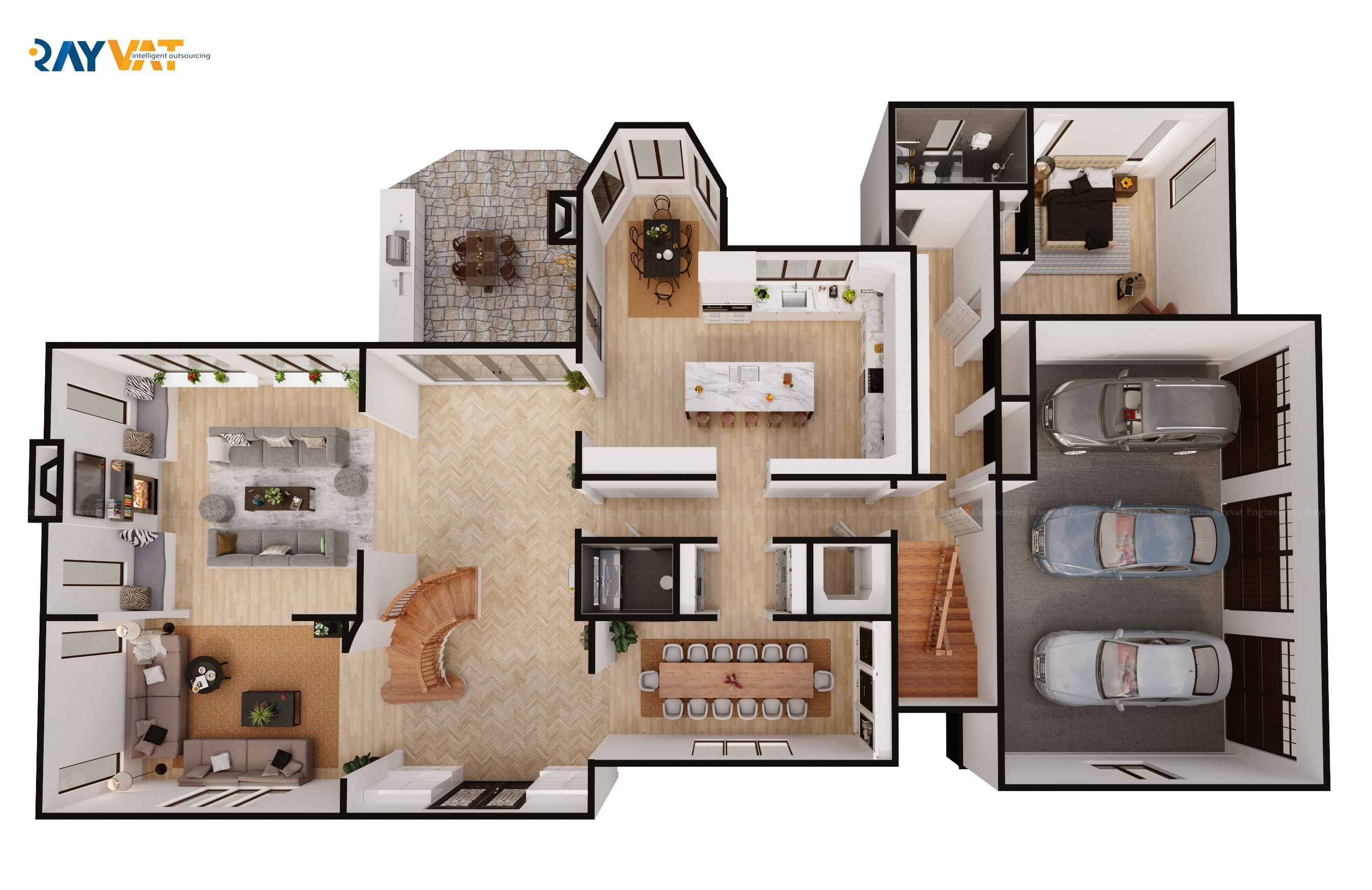
House floor plans are architectural drawings that outline the layout and organization of a house. They provide a bird's eye view of each floor, showcasing the rooms, walls, doors, windows, and other structural elements. These plans help homeowners, architects, and builders visualize the design and functionality of a home before construction begins.
The Importance of House Floor Plans
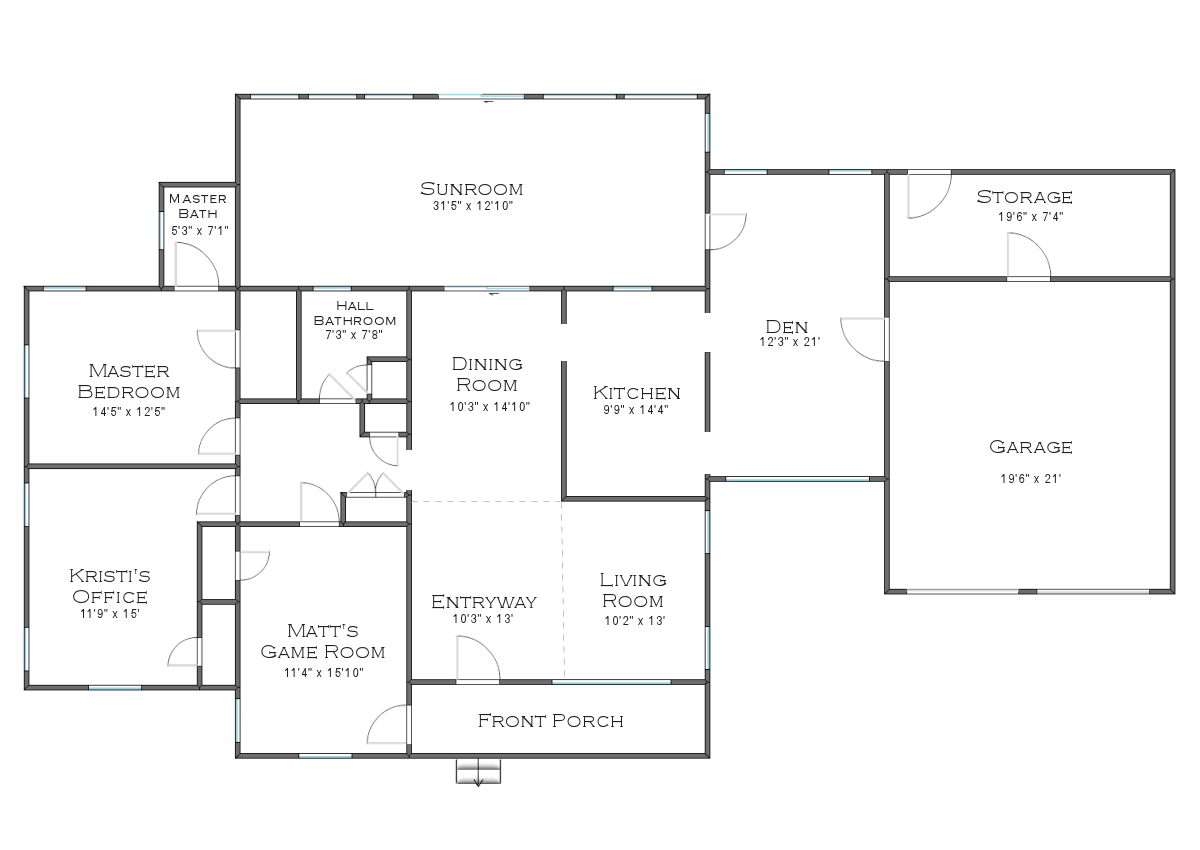
House floor plans play a crucial role in the construction process. They serve as a blueprint for builders, ensuring that every aspect of the design is accurately executed. These plans also allow homeowners to make informed decisions about the placement of rooms, furniture, and amenities. Additionally, floor plans help architects and interior designers optimize the use of space and create functional, aesthetically pleasing homes.
Types of House Floor Plans
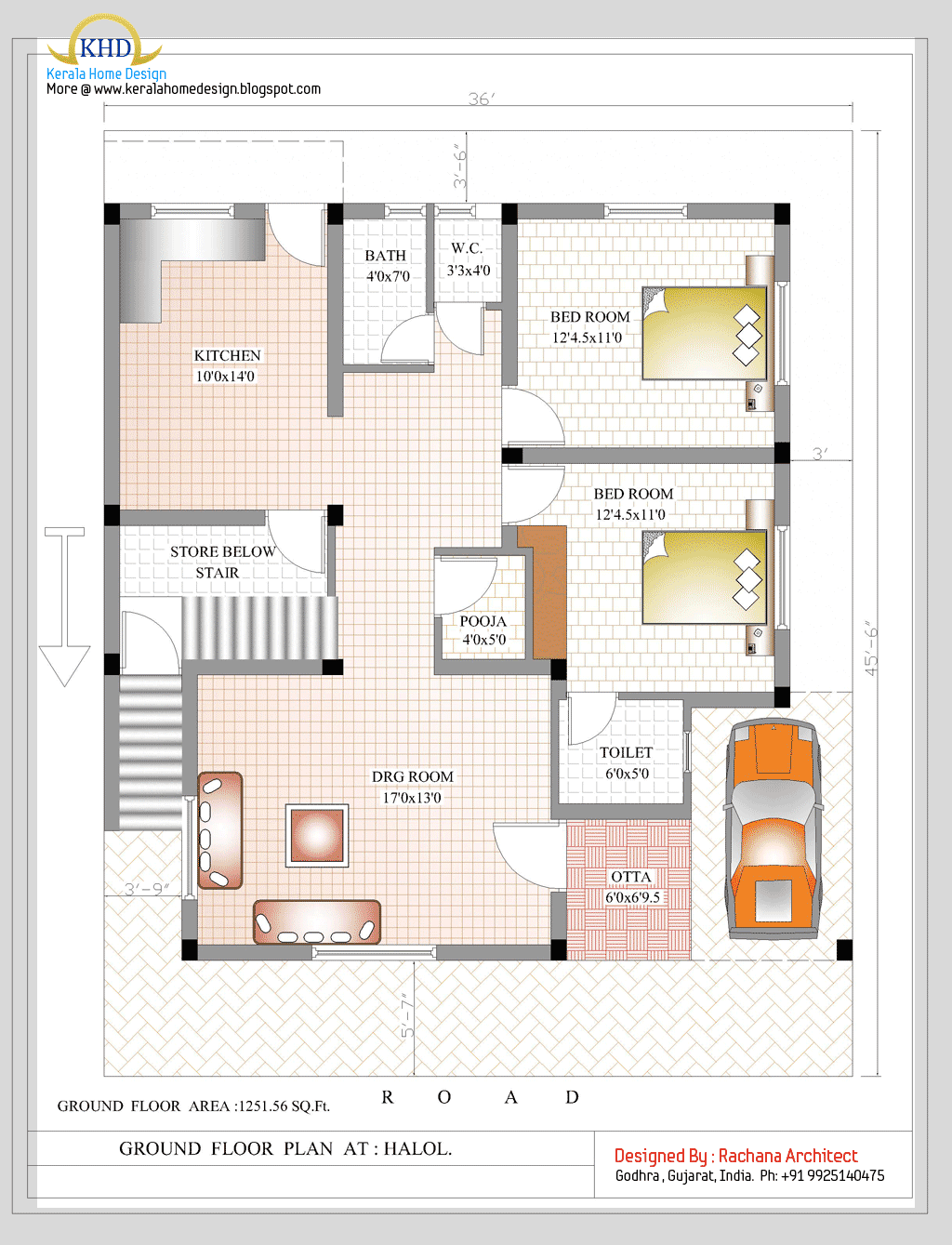
There are various types of house floor plans, each catering to different needs and preferences. Some common types include:
- Single-story floor plans: Ideal for individuals with mobility issues or those who prefer a more open layout.
- Two-story floor plans: Provide ample space for families and offer separation between public and private areas.
- Multi-level floor plans: Incorporate multiple levels, such as split-level or tri-level designs, to add visual interest and accommodate sloping lots.
- Open-concept floor plans: Feature fewer walls and partitions, creating a seamless flow between rooms and enhancing social interactions.
- Traditional floor plans: Emphasize defined rooms and a formal layout, often with separate living, dining, and kitchen areas.
- Modern floor plans: Focus on minimalism, open spaces, and innovative use of materials and technology.
Designing a House Floor Plan

Designing a house floor plan requires careful consideration of various factors. Here are some essential steps to create an effective floor plan:
- Define your needs: Determine the number of bedrooms, bathrooms, living areas, and other essential spaces based on your lifestyle and family size.
- Consider the flow: Plan the arrangement of rooms to ensure a logical flow and efficient use of space. For example, place bedrooms away from noisy areas.
- Maximize natural light: Strategically position windows and skylights to maximize natural light and reduce the need for artificial lighting during the day.
- Think about functionality: Consider how each room will be used and design accordingly. For instance, place the laundry room near bedrooms and the kitchen for convenience.
- Account for future needs: Anticipate future requirements, such as accommodating a growing family or aging in place, and incorporate flexibility into the design.
- Balance aesthetics and practicality: Aim for an appealing design without compromising functionality. Find a balance between personal style and long-term livability.
The Benefits of Well-Designed House Floor Plans
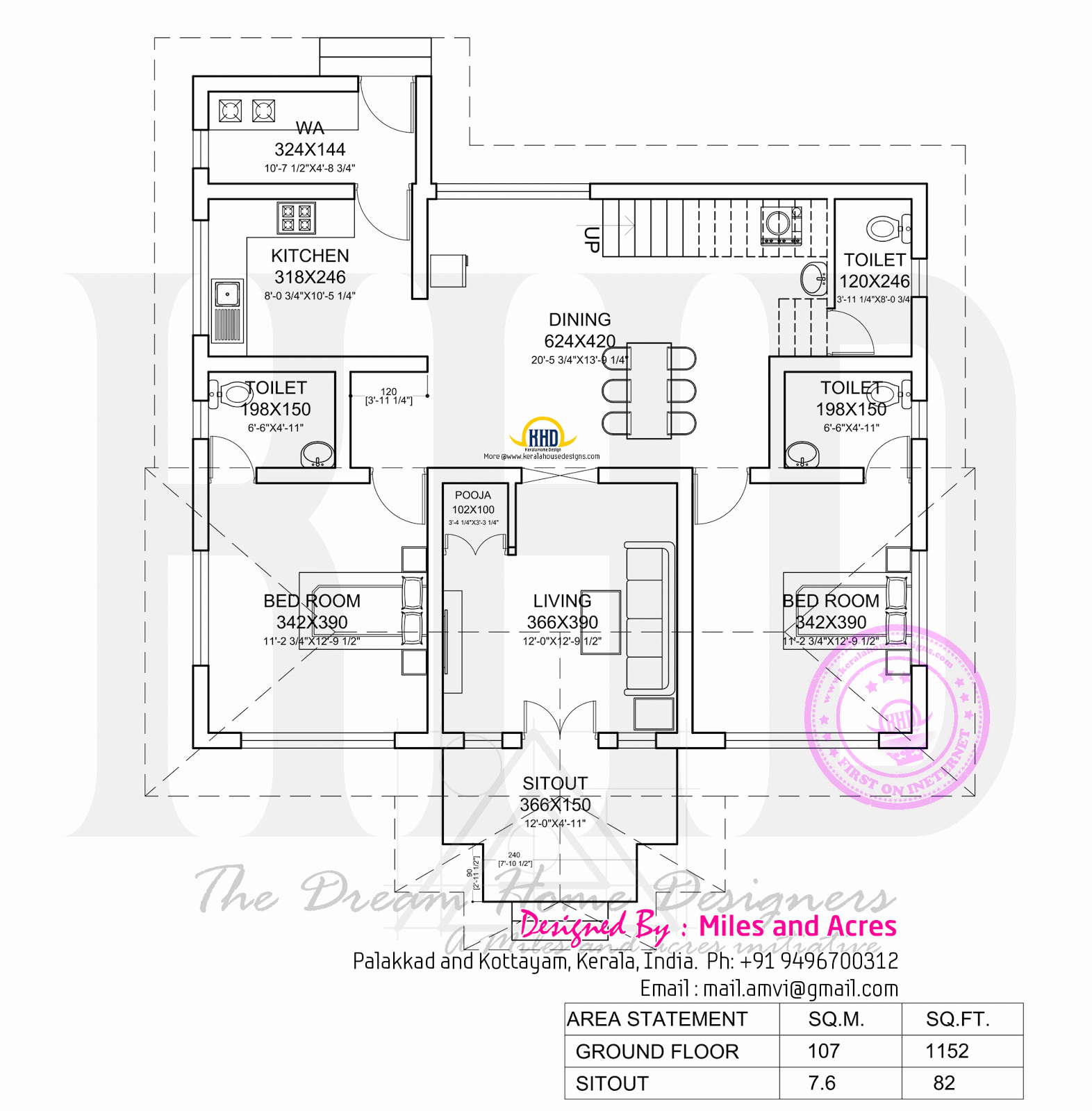
A well-designed house floor plan offers numerous benefits:
- Efficient use of space: A thoughtfully planned layout maximizes the available space, ensuring every square foot serves a purpose.
- Improved functionality: Well-designed floor plans enhance the functionality of a home, making daily activities more convenient and comfortable.
- Enhanced resale value: A well-designed home with an appealing floor plan is more likely to attract potential buyers and command a higher resale value.
- Better energy efficiency: Properly placed windows, insulation, and ventilation in the floor plan can improve energy efficiency and reduce utility bills.
- Personalization opportunities: An effective floor plan allows homeowners to personalize their living spaces with furniture, decor, and unique design elements.
Conclusion
House floor plans are vital tools for homeowners, architects, and builders. They provide a visual representation of the home's layout, enabling effective decision-making and efficient construction. By considering various factors and designing a well-thought-out floor plan, homeowners can create functional, aesthetically pleasing homes that meet their needs and preferences.
