Introduction
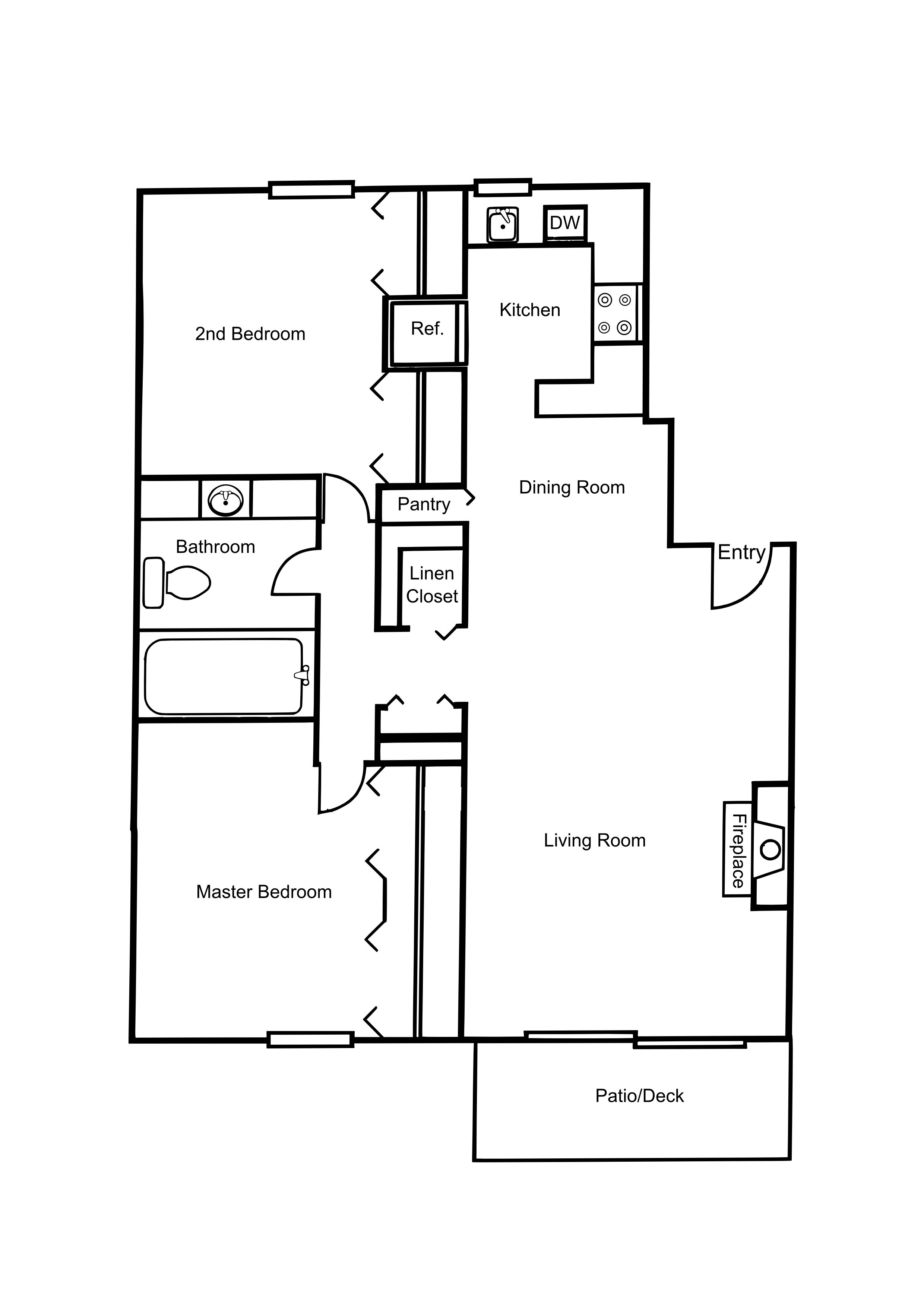
When it comes to designing a new home or renovating an existing one, floor plans play a crucial role in the process. A floor plan is a visual representation of a building's layout, showcasing the arrangement of rooms, walls, doors, and windows. It provides an overview of how the space will be utilized and helps homeowners, architects, and interior designers make informed decisions. In this article, we will explore the importance of floor plans and how they contribute to the functionality and aesthetics of a home.
Functionality of Floor Plans
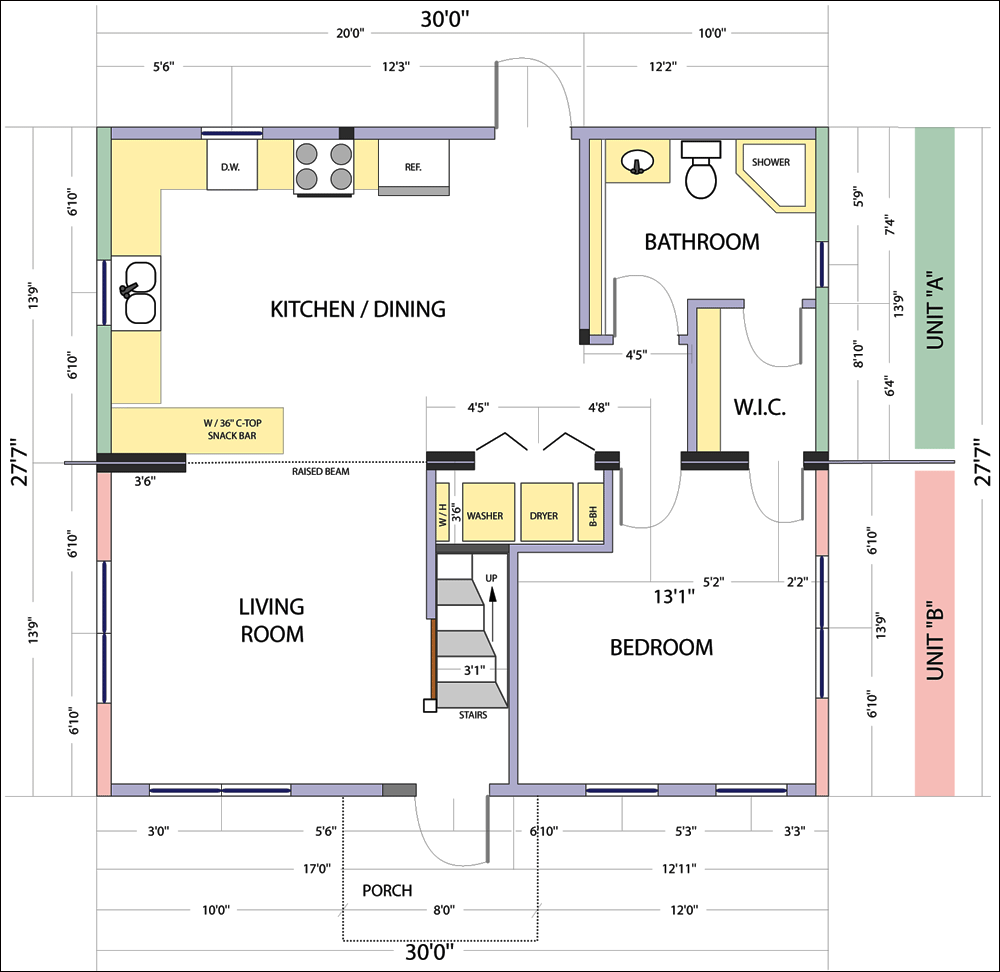
One of the primary purposes of a floor plan is to ensure the functionality of a space. It allows homeowners to visualize the flow of rooms and ensure that each room serves its intended purpose efficiently. By carefully considering the placement of walls, doors, and windows, a well-designed floor plan can optimize the use of available space and create a seamless transition from one area to another.
Aesthetics and Interior Design
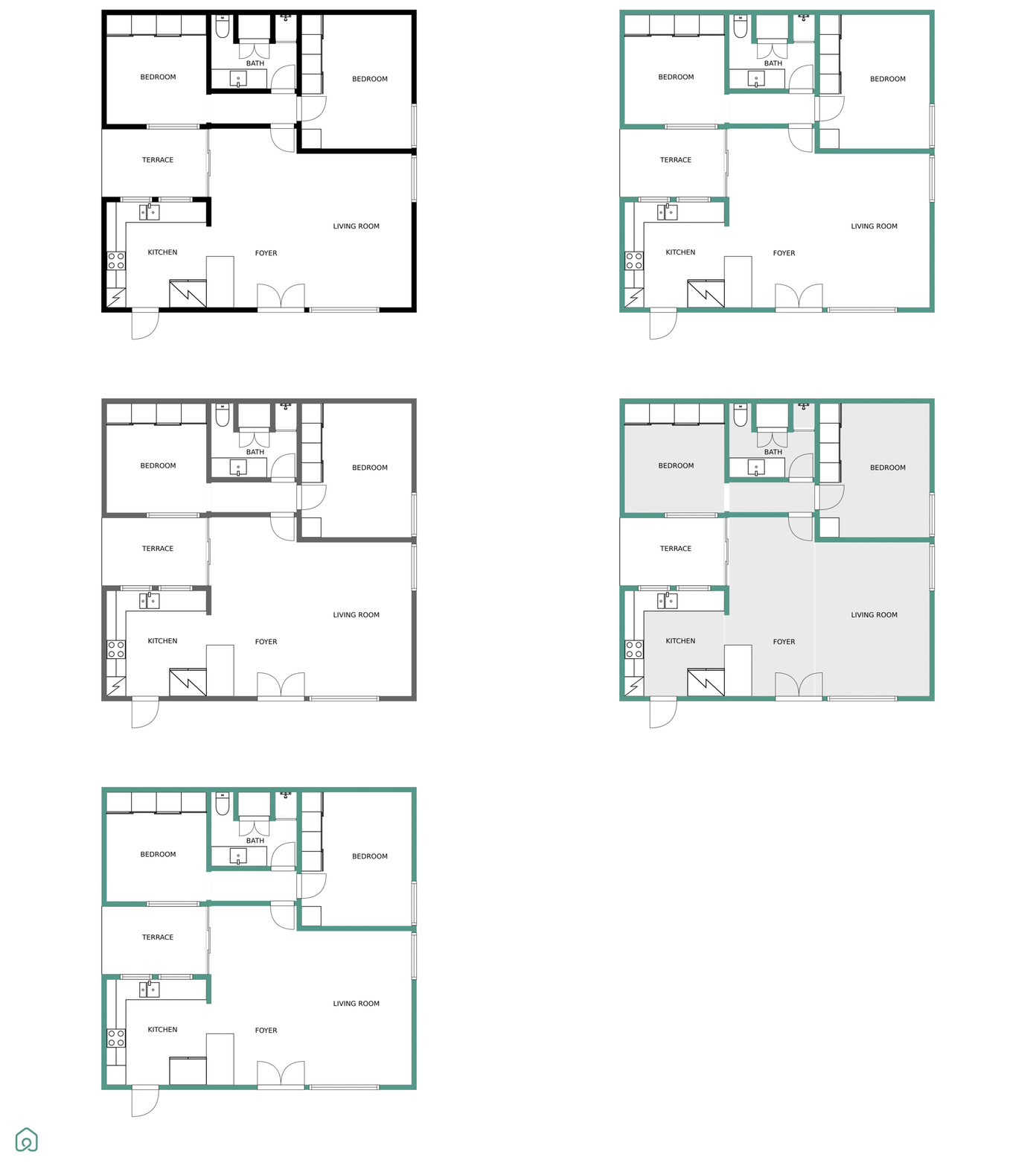
In addition to functionality, floor plans also contribute to the aesthetics and interior design of a home. They provide a blueprint for architects and interior designers to create a harmonious balance between form and function. By considering factors such as natural light, views, and spatial relationships, a well-designed floor plan can enhance the overall visual appeal of a space and create a sense of harmony and coherence.
Types of Floor Plans
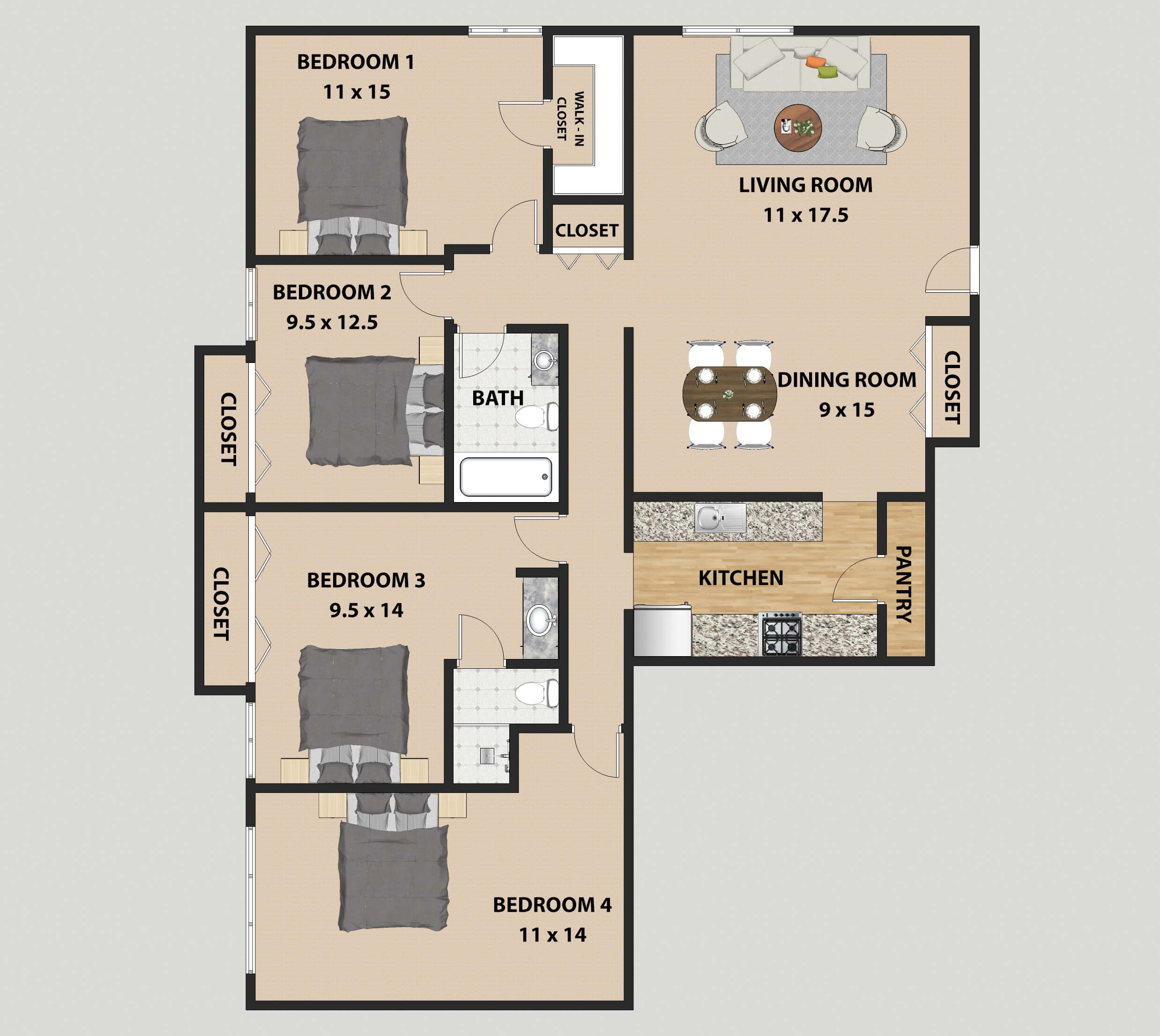
There are several types of floor plans, each suited to different architectural styles and individual preferences. Some common types include open floor plans, which promote a spacious and connected living environment, and traditional floor plans, which emphasize separate rooms for different functions. Other popular options include ranch-style floor plans, contemporary floor plans, and multi-level floor plans. The choice of floor plan depends on the homeowner's lifestyle, needs, and personal taste.
Advantages of Well-Designed Floor Plans
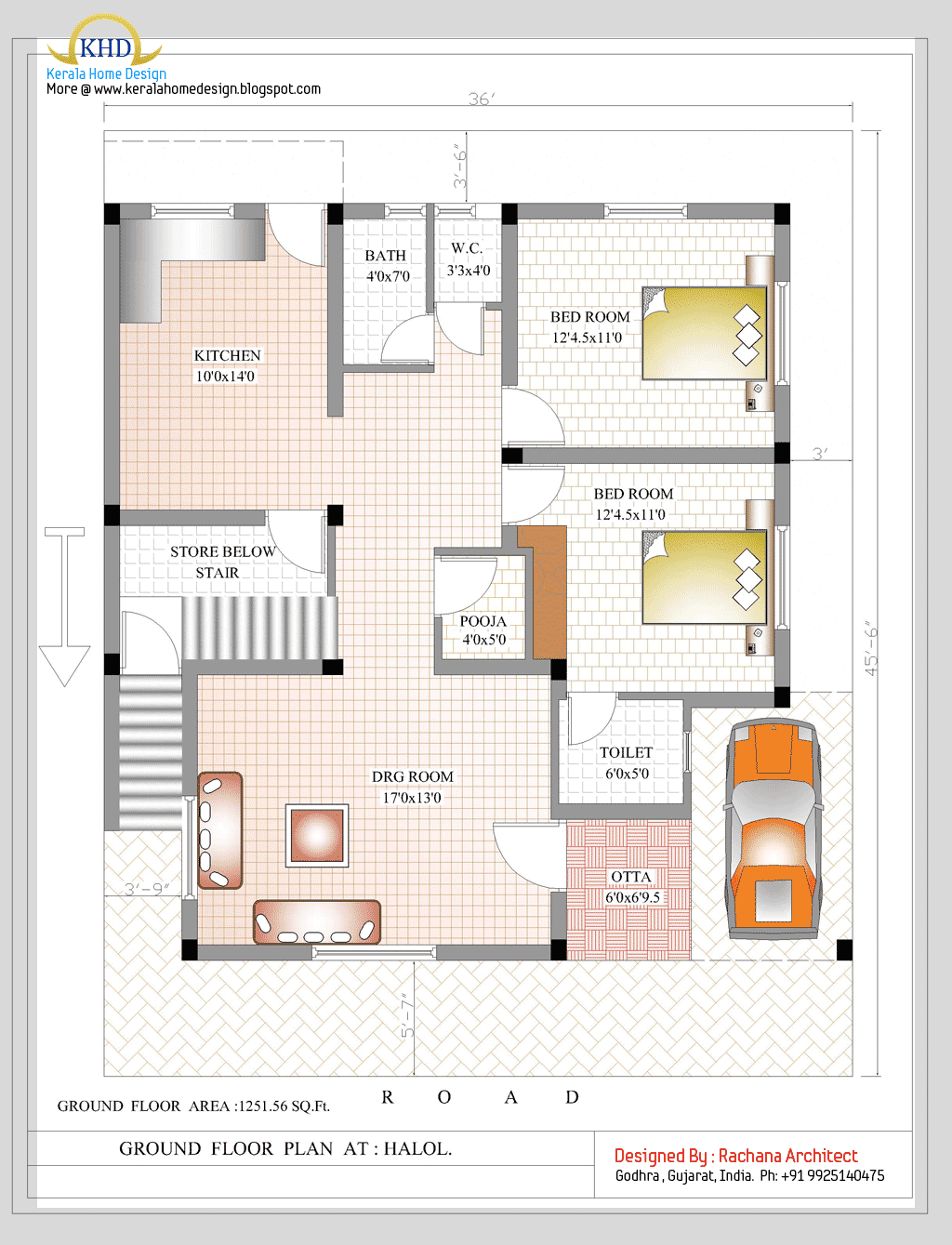
A well-designed floor plan offers numerous advantages to homeowners. Firstly, it maximizes the efficient use of space, ensuring that no area is wasted or underutilized. It also allows for proper circulation and traffic flow within the home, making it easy to navigate between rooms. Additionally, a well-designed floor plan considers aspects such as privacy, acoustics, and accessibility, resulting in a comfortable and functional living environment.
Considerations for Creating a Floor Plan

Creating a floor plan requires careful consideration of various factors. The size and shape of the lot, local building codes, and zoning regulations are essential considerations. Additionally, the homeowner's lifestyle, future needs, and budget play a crucial role in determining the layout and features of the floor plan. Collaborating with an experienced architect or designer can help ensure that all considerations are taken into account for a successful floor plan.
The Role of Technology in Floor Planning

Advancements in technology have revolutionized the process of creating floor plans. With the help of computer-aided design (CAD) software, architects and designers can now create detailed and accurate floor plans. This technology allows for easy modifications, quick adjustments, and precise measurements. Additionally, virtual reality (VR) technology enables homeowners to experience a realistic walkthrough of their future home, helping them make informed decisions and visualize the final outcome.
Conclusion
Floor plans are an essential component of any home design or renovation project. They ensure the functionality and aesthetics of a space, providing homeowners, architects, and designers with a visual representation of the layout. By carefully considering factors such as functionality, aesthetics, and personal preferences, a well-designed floor plan can transform a house into a home. Whether it's an open floor plan or a traditional layout, creating a floor plan requires careful consideration and collaboration with professionals to achieve the desired result.
